Bowers Wilkins Px8 S2 vs Creative Aurvana Ace 3: Which Should You Buy?
I've spent several months using both the Bowers & Wilkins Px8 S2 over-ear headphones and the Creative Aurvana Ace 3 true wireless IEMs. I bought them at different times and used them across my daily commute, work-from-home sessions, travel, and casual weekend listening. In this article I walk through exactly what I liked, what disappointed me, and who I think should choose each option. I'll be candid about fit, sound, ANC performance, battery life, app features, and real-world ergonomics—things that matter if you're actually going to live with these products day to day.
First impressions and how I tested them
When the Px8 S2 arrived I immediately noticed the premium heft and finish. It feels like an investment the moment you unbox it. The Aurvana Ace 3 gave a different first impression: compact, lightweight, and packed with features that suggested a technology-forward product rather than luxury materials.
My testing routine was consistent across both devices: long-form listening (2–4 hour sessions) with a mix of genres (classical, jazz, rock, electronic), podcast and call testing, varied ANC environments (quiet room, cafe, city street, plane), and everyday wear (walking, short workouts, commuting). I also used the respective apps for EQ and personalization where available, and tried wired connections where the Px8 S2 allowed it.
Detailed review — Bowers & Wilkins Px8 S2
In my experience the Px8 S2 represents what high-end wireless over-ear headphones should feel like. The sound signature is balanced with a clear emphasis on resolution and natural tonality. Vocals and mids are forward in a pleasing way, and the treble detail is crystalline without being harsh. Bass is authoritative but not exaggerated—there's weight when called for, but it never muddies the midrange.
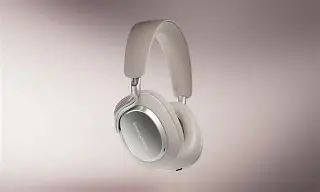
Comfort-wise I found the Nappa leather ear cushions and headband luxurious. The clamping force is noticeable at first but relaxed after a few days of use. One thing I noticed was that the earcups can trap heat during multi-hour sessions; on a summer afternoon I had to take short breaks because my ears felt warm. The headphone's fit is broad enough for my head, and the memory of the pads means it felt more comfortable the longer I owned them.
Noise cancellation is strong and—importantly—natural. The Px8 S2's hybrid ANC attenuated engine noise on a flight admirably while preserving low-level detail. That said, in quiet environments I sometimes noticed a faint background hiss with ANC enabled, especially during very low-volume listening. Call quality was good overall; Bowers & Wilkins' voice processing helped reduce ambient noise, but busy street-side calls still picked up wind and traffic on occasion. Multipoint Bluetooth was handy for switching between my laptop and phone.
The app gives a modest EQ and noise-cancelling presets. I appreciated the simple interface and the ability to toggle noise-cancelling profiles, but I wished the EQ had more advanced presets and a more granular parametric EQ. Battery life matched my expectations—about a day of heavy use with ANC on and longer if ANC is off. Quick charging is genuinely useful for short trips.
What I appreciated most: the imaging and soundstage. For orchestral or acoustic music the Px8 S2 gave a convincing sense of space and instrument separation. Cinematic mixes also benefited from the discrete amplifiers on each driver—dynamic transients had good authority.
Shop the latest Audio & Headphones picks on Amazon.
See Deals →What bothered me: the price and occasional ANC hiss. At full retail price this is a serious purchase, and while I believe the audio quality justifies the cost for an enthusiast, casual listeners might find the value less clear. The ear warmth over long sessions was a minor but real annoyance.
Px8 S2 pros & cons
- Pros: Exceptional midrange and treble clarity; refined build and premium materials; effective hybrid ANC for travel; comfortable after break-in; high-res Bluetooth support (aptX variants).
- Cons: Expensive; ANC introduced a faint hiss at very low volumes; earcup heat during long sessions; app EQ is basic compared to some rivals.
Detailed review — Creative Aurvana Ace 3
The Aurvana Ace 3 surprised me in a good way. As an IEM, it punches above its price point in clarity and extension. The hybrid driver setup—solid-state xMEMS for the top end and a 10mm dynamic driver for bass—delivers detailed highs and surprisingly tight low end. In my experience, the detail retrieval on acoustic guitars and cymbal work was particularly noticeable.
Mimi sound personalization made an immediate difference. After running the in-app hearing test and enabling my personalized profile, I found previously hidden detail came forward and the tonal balance suited my ears better. If you're someone who expects a neutral but engaging sound, the Ace 3's personalization is a real selling point.
ANC on the Ace 3 is competent but not as strong as large over-ear systems. It reduced background noise during commuting and cut out steady hums well, but it didn't eliminate very loud, low-frequency noise the way big over-ear ANC headphones can. I liked the transparency/ambient mode for walking on busy streets—it felt natural and safe.
Fit is the place where ownership becomes personal. The Ace 3 includes multiple ear tip sizes and I experimented to get the best seal. When I nailed the fit, bass and isolation were excellent; when I didn't, the earbuds sounded thin. Touch controls are responsive but occasionally too sensitive when adjusting fit during runs. Battery life matched the specs in my day-to-day: 6–8 hours per charge on the buds and a total of around 24–26 hours with the case. Charging case design is neat and the translucent blue finish made it easy to spot in my bag.
Call quality was respectable but not exemplary. Indoor calls were clear, but windy outdoor conditions showed the limits of the mic array. Latency for video streaming was low thanks to the Snapdragon Sound support, though I did notice occasional dropouts when switching between devices rapidly.
What I appreciated most: the hybrid driver clarity and the sound personalization. For portable listening the Ace 3 delivers an engaging, detailed sound without needing a separate DAC or streamer.
What bothered me: the need to find the right ear tips for a proper seal and occasional touch-control over-sensitivity. For a higher-end TWS product I expected slightly better call resilience in windy conditions.
Shop the latest Audio & Headphones picks on Amazon.
See Deals →Ace 3 pros & cons
- Pros: Excellent detail and treble extension for the price; hybrid driver system with strong bass control; Mimi personalization markedly improved perceived clarity; good battery life and wireless charging support; IPX5 splash resistance.
- Cons: ANC is good but not class-leading; touch controls can misfire during handling; call performance degrades in strong wind; fit is critical—try multiple tips.
Side-by-side comparison
| Feature | Bowers & Wilkins Px8 S2 | Creative Aurvana Ace 3 |
|---|---|---|
| Product type | Over-ear wireless headphones | True wireless in-ear monitors (IEM) |
| Drivers | 2 × 40mm carbon cone dynamic drivers | Hybrid: xMEMS solid-state + 10mm dynamic driver |
| Bluetooth / codecs | Bluetooth 5.3, aptX Adaptive / aptX Lossless, AAC, SBC | Bluetooth 5.4, LDAC, aptX Lossless / aptX Adaptive, AAC, SBC, LC3 |
| ANC | Hybrid ANC (multi-mic array, strong for travel) | Hybrid adaptive ANC (effective for daily commuting) |
| Battery life | ~30 hours with ANC; quick charge support | ~7–8 hours earbuds; ~24–26 hours with case |
| Water resistance | Not rated for sweat/water | IPX5 (sweat / splash resistant) |
| Best for | Home listening, travel, long sessions, audiophile warmth | Commuting, workouts, portable high-res listening, personalized sound |
| Price (approx.) | Premium / flagship price | Mid-range / feature-packed value |
How I choose between them depending on use
If I'm going into a flight or planning a long listening session at home, I reach for the Px8 S2. The comfort (after the initial break-in), soundstage, and ANC are what I trust for immersion. The Px8 S2 is my pick when I want the kind of full-bodied, reference-style sound that benefits orchestral music, long-form albums, or movies on a tablet.
If I'm heading out for a run, commuting on public transport, or just want something small I can toss in a pocket, the Ace 3 is what I bring. The Aurvana Ace 3 lives where portability and personalization matter. I especially appreciate the Mimi profile for podcasts and vocal-forward material—the difference is tangible.
Buying guide — which should you buy?
Deciding between these two comes down to three questions: Where will you use them most? How important is portability? And how picky are you about absolute sound neutrality?

- If you prioritize immersive, long-session comfort and the best passive soundstage: go Px8 S2. These are designed to be luxurious and to provide a large, enveloping presentation that small IEMs can't match. They're also better if you want wired options for high-resolution sources.
- If you need something pocketable and technologically modern: go Aurvana Ace 3. The Ace 3 gives superb detail, modern codec support, and meaningful personalization in a tiny package. It's a far better companion for active lifestyles.
- On ANC and travel: Px8 S2 offers stronger overall ANC for airplane cabin noise and prolonged travel. Ace 3 does a decent job in daily commuting but won't match the low-frequency stopping power of big over-ear ANC.
- On call quality: both are fine for indoor calls. Px8 S2 has a slight edge for voice clarity on stationary calls; Ace 3 is convenient for mobile calls but struggles more in heavy wind.
- On value: Ace 3 presents a ton of features for its price: high-res codecs, hybrid drivers, and personalization. Px8 S2 is a premium purchase for a listener who values luxury materials and reference-like tuning.
Final thoughts and conclusion
After months living with both, I can say they each excel in different domains. The Bowers & Wilkins Px8 S2 became my go-to when I wanted to sink into music with minimal distractions—its build, imaging, and ANC make it an excellent travel and home companion. I was impressed with how detailed and natural the midrange sounded, and the headphone rewarded careful listening.
The Creative Aurvana Ace 3, on the other hand, proved to be an unexpectedly refined little performer. I was surprised by how much clarity and definition Creative managed to extract from a compact hybrid design, and the Mimi personalization genuinely made my library sound better without fiddling with EQ. For day-to-day portability and a feature-packed experience at a modest price, the Ace 3 won most of my pockets and gym sessions.
In short: pick the Px8 S2 if you want flagship over-ear sound, premium materials, and the best ANC for long-haul listening. Choose the Aurvana Ace 3 if you want portable, detailed sound with modern codecs and personalized tuning at a much more accessible price. Both are strong products—what matters is which trade-offs fit your lifestyle.