The Ultimate Setup Guide for Your Adizero Adios Pro 3
Introduction
The Adizero Adios Pro 3 occupies a special place in the high-performance running shoe market: designed to blend race-day speed with enough structure for serious training. This guide examines the Adios Pro 3 from a practical, evidence-driven perspective. It explains the shoe's engineering choices, performance characteristics in real-world scenarios, and how to set it up for optimal results. The article serves runners who consider this model for fast efforts—marathons, half-marathons, tempo runs, and targeted workouts—as well as buyers who weigh durability, fit, and value.
Detailed Product Review and Analysis
Design and Construction
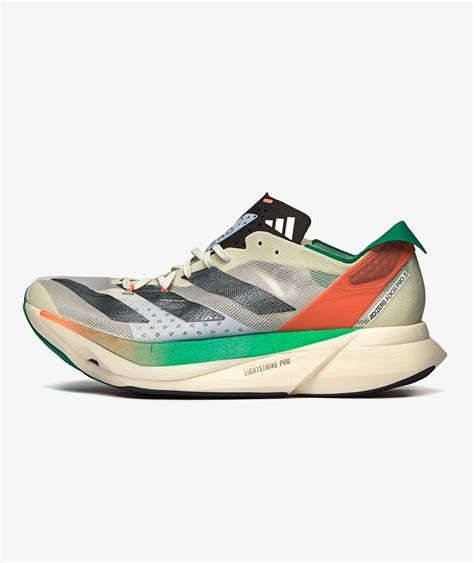
The Adizero Adios Pro 3 follows the evolutionary lineage of the Adizero racing line: a multi-layer midsole built around a stiff energy-transmission element, an engineered upper for a secure fit, and a durable race-focused outsole. Instead of a single continuous carbon plate, this model emphasizes segmented stiffness elements that are intended to promote a rolling sensation through the gait cycle while maintaining a more forgiving forefoot than some rigid plate-only racers.
Midsole materials in this class prioritize energy return and cushioning. In the Adios Pro 3, a responsive polyurethane-based midsole foam is combined with longitudinal rods or plate-like structures that aim to store and return energy at toe-off. The upper is typically a lightweight engineered mesh with reinforced zones around the midfoot and heel to stabilize the foot during faster paces without adding significant weight.
Ride and Responsiveness
On road surfaces, the Adios Pro 3 delivers a pronounced forward propulsion feeling, especially when running at steady threshold and race paces. The segmented stiffness elements allow the shoe to flex more naturally in the forefoot compared with fully embedded rigid plates, which can make it more approachable for runners who alternate between speed sessions and longer aerobic runs. Transitions are quick, and cadence tends to feel slightly elevated because of the shoe’s geometry and rocker profile.
Fit and Upper
The engineered mesh upper balances breathability and lockdown. Runners with narrower feet often report a secure midfoot hold, while wider-footed athletes may feel pinching if sizing is too small. The tongue and collar construction aims to reduce hot spots, but sock choice and lacing technique can further customize the fit—an important consideration on race day to prevent blistering during prolonged efforts.
Traction and Outsole
The outsole compounds focus on a balance between grip and durability. Rubber placement is concentrated in high-wear zones to extend useful life without adding unnecessary mass. On wet roads, traction is adequate for most urban race courses, though performance can vary depending on surface texture and shoe wear. For off-road or technical surfaces, this shoe is not intended as the primary option.
Durability and Lifespan
High-performance race shoes trade longevity for lightness and responsiveness. The Adios Pro 3 shows typical wear patterns: midsole compression over many hard miles and outsole wear at the toe and lateral heel. When used primarily for key workouts and races—rather than as a daily trainer—the model can remain performant through a season of targeted use. For runners seeking maximum mileage, pairing the Adios with a more durable training shoe is a common strategy.
Who Benefits Most
The Adios Pro 3 is well-suited to competitive runners aiming for time goals, experienced runners who can adapt to a stiffer ride, and athletes who want a fast shoe that is also usable for tempo runs and race-pace long runs. Less experienced runners or those with significant injury history should approach performance plate-style shoes cautiously and consider gradually introducing them into training.
Shop the latest Electronics picks on Amazon.
Browse Now →Real-World Use Cases
- Marathon peak weeks and race day: Ideal when combined with prior tempo and long-run training in a more cushioned trainer to preserve legs.
- Half-marathon and 10K racing: Provides a clear speed advantage for athletes who maintain form at target pace.
- Key interval sessions and tempo runs: Helps maintain turnover and reinforce efficient toe-off mechanics.
- Time-trial and goal-pace training: Useful for practicing race day fueling, pacing, and shoe fit under near-race conditions.
- Brick sessions for triathletes: Effective for run-specific leg turnover after cycling; however, athletes should check triathlon rules and personal comfort.
Pros & Cons
Pros
- Race-oriented propulsion: Noticeable forward roll and toe-off efficiency at tempo and racing pace.
- Lightweight construction: Minimal mass for faster acceleration and reduced energy cost per stride.
- Secure midfoot lockdown: Engineered upper keeps the foot stable during high cadence runs.
- Versatility within fast training: Suitable for both intervals and race-pace long runs for many athletes.
- Targeted outsole durability: Rubber placement extends life in high-wear areas without heavy compounds everywhere.
Cons
- Reduced durability compared with trainers: Not ideal as a daily mile-eater for high-volume runners.
- Stiffer ride for some: Runners unaccustomed to plates or stiff elements may need an adaptation period.
- Fit sensitivity: Narrower lasts can be uncomfortable for wider-footed runners unless sizing is adjusted.
- Limited off-road capability: Best on paved surfaces; not designed for trail conditions.
- Higher price tier: Performance materials and engineering result in a premium cost relative to everyday trainers.
Comparison Table
| Feature | Adizero Adios Pro 3 | Previous Adizero Pro (Pro 2) | Comparable Competitor (High-Performance Road Racer) |
|---|---|---|---|
| Primary Purpose | Race-day speed and fast workouts | Race and tempo runs with slightly firmer plate | Race-day performance with emphasis on propulsion |
| Midsole | Responsive foam with segmented stiffness elements | Responsive foam with continuous plate | High-energy foam with carbon plate |
| Upper | Engineered mesh with lockdown zones | Very breathable mesh, slightly looser fit | Engineered or knit upper tuned for lockdown |
| Weight (typical men's size) | Lightweight (around 200–220 g) | Slightly lighter or similar depending on model year | Comparable range; some models lighter, some heavier |
| Ride Feel | Forward roll, quick turnover | Sharper plate sensation | Varies: from cushioned propulsion to very stiff |
| Best Use | Races, tempo runs, intervals | Races and short tempo efforts | Races and targeted fast training |
Buying Guide: How to Set Up the Adios Pro 3
1. Choose the Right Size and Fit
Fit impacts race performance as much as materials. The Adios Pro 3 typically fits true to size for many runners, but foot shape matters. Those with wide forefeet may consider half a size up or selecting a model with a roomier toe box. When possible, try the shoe with the socks intended for race day. Lace adjustments—sliding the heel lock technique or using a different lacing pattern—can eliminate heel slip and prevent hotspots.
2. Integrate Gradually into Training
Introduce the Adios Pro 3 into the routine slowly. Start with shorter intervals and race-pace segments rather than using it for long recovery jogs. A common approach: 1–2 speed sessions per week for the first two to three weeks, then increase volume if no discomfort appears. This progression allows tendons and calves to adapt to the shoe’s stiffer elements.
3. Pair with a Durable Trainer
To preserve the performance lifespan of the Adios, alternate between the Adios and a more cushioned daily trainer. This strategy keeps the Adios ready for race-specific workouts while reducing mile accumulation that can compress midsole foam prematurely.
4. Customize Laces and Insoles if Needed
Lacing technique can fine-tune fit and comfort. Consider a slightly thicker insole if the shoe feels too low or a performance-oriented sock to reduce friction. However, avoid aftermarket insoles that significantly alter the stack height and foot position, unless tested beforehand in workouts.
5. Pre-Race Setup
On race day, wear the shoes for a short run and a few strides during warm-up to confirm fit and chafe-free comfort. Check that laces remain tight without over-constricting circulation. Fueling and hydration should be practiced while wearing the shoes in at least one long tempo or race-pace simulation.
6. Maintenance and Care
Keep the Adios Pro 3 dry between hard efforts. Avoid machine washing; instead, air-dry and gently clean with a soft brush and mild soap. Rotate multiple pairs during heavy training blocks to allow materials to decompress. Inspect high-wear zones for early signs of breakdown and adjust use accordingly.
7. Consider Running Style and Injury History
Runners who land very heavily on the heel or have chronic lower-leg issues should consult a coach or medical professional before committing to plate-influenced shoes as the primary racing option. A form and cadence assessment can determine whether the Adios will complement an efficient stride or amplify pre-existing stress patterns.
Looking for the best Electronics deals on Amazon?
View Offers →8. Price-to-Value Consideration
High-performance racing shoes command premium pricing due to advanced materials and R&D. Value assessment should weigh expected race-day performance gains against the number of prioritized races and target time goals. For occasional racers, a less expensive but durable racing flat might offer better overall value.
Common Buyer Questions and Practical Answers
Is the Adios Pro 3 suitable for daily training?
It can be used for select runs, but habitual daily training eats into its performance lifespan. Most runners find a complementary daily trainer extends the Adios’ usefulness.
How does it handle wet or uneven pavements?
Traction is reliable for urban race courses, yet caution is advised on manhole covers, painted lines, and very smooth wet surfaces. Grip diminishes as the outsole wears.
Can beginners use the Adios Pro 3?
Beginners may prefer more forgiving cushioning while building mileage and technique. Once a stable weekly base is established, gradual introduction to this level of shoe is reasonable under guidance.
Conclusion
The Adizero Adios Pro 3 is a thoughtfully engineered race shoe that balances propulsion and manageability. It suits competitive runners seeking reliable speed on race day, athletes who incorporate race-pace long runs into their preparation, and those who appreciate a shoe that can double for targeted workouts. Success with the Adios Pro 3 hinges on proper sizing, gradual integration into training, and pairing with an appropriate daily trainer to extend performance life. When set up correctly and deployed strategically, the Adios Pro 3 can be a decisive tool in achieving race goals and elevating fast training sessions.